







Search Results for: Commercial Blends
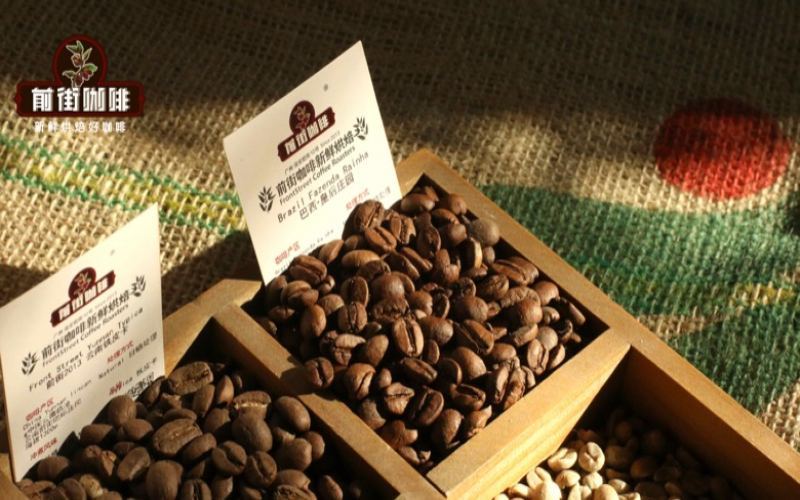
The Regional Foundation of Commercial Espresso Blends: Brazil, Colombia, and the Trade-offs of Single-Origin SOE
When choosing espresso beans for a coffee shop, the origin structure is the key factor determining the flavor direction. Commercial espresso beans fall into two main routes: one is the blend base, and the other is single-origin SOE; each has its own positioning and suitable scenarios. Blended beans are the mainstream choice for commercial espresso. The core idea of blending is to use beans from different origins to complement each other, with Brazil providing [more…]
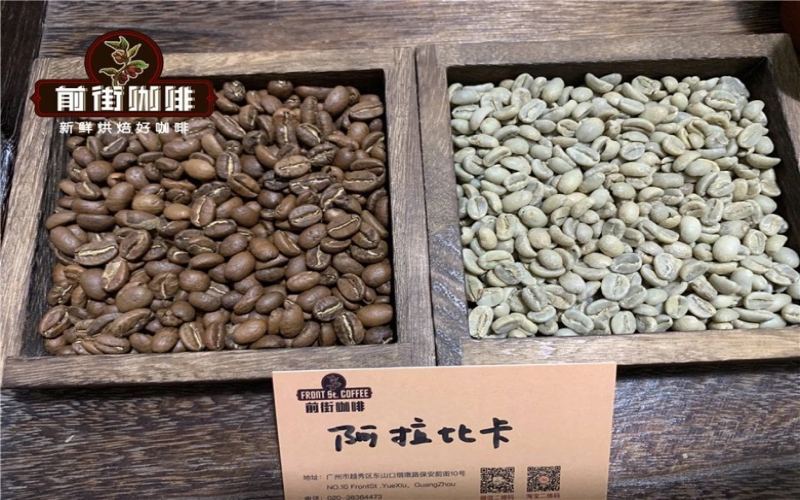
Bean blend combinations for commercial espresso blends: the ratio logic of Arabica and Robusta
There is a clear difference between commercial blends and home-use beans: they must simultaneously satisfy three conditions—flavor, cost, and consistency. And the combination of bean varieties in a blend, especially the ratio of Arabica to Robusta, is often the key to whether these three conditions can be balanced. Arabica beans are the flavor powerhouse. They bring floral notes, fruity acidity, and a solid [more…]
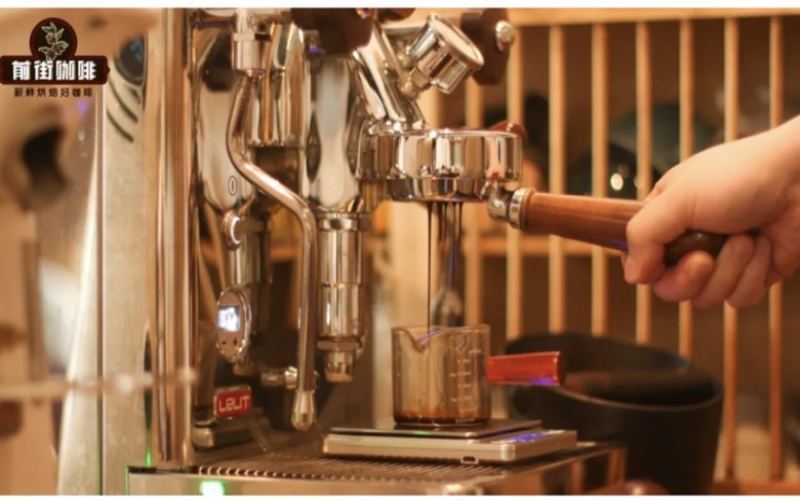
Bean blend for commercial espresso: how to balance the ratio of Arabica to Robusta
In the formulation design of espresso blends, the ratio of Arabica to Robusta beans has always been an unavoidable topic. Each of the two bean types has its own advantages, and how to combine them to ensure both the thickness of the crema and control costs is the core of a commercial blend formula. Arabica beans are the mainstay of espresso blends. They have rich flavor layers and bright acidity. [more…]
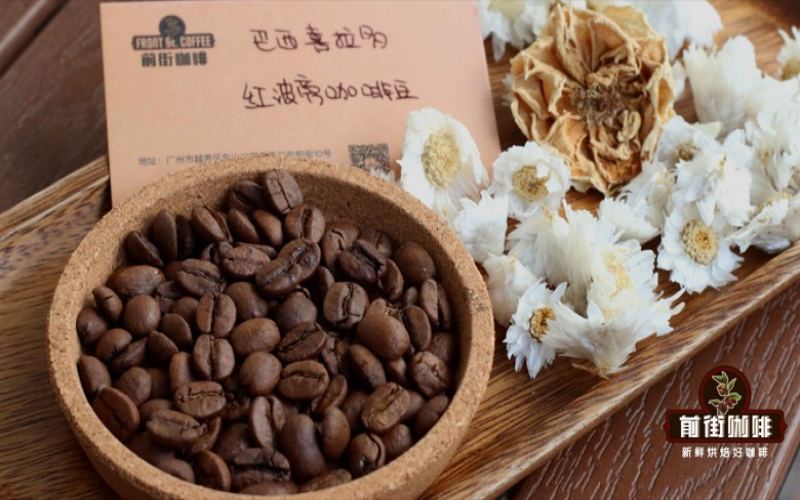
The Role of Origins in Commercial Blends: Brazil as the Base, Colombia for Sweetness, Robusta for Cost Control
Walk into the back bar of any coffee shop, and what's grinding in the grinder is most likely not a single-origin bean but a blend. Commercial blends exist because what a café needs is not the personality of a particular bean, but a stable, easy-drinking, cost-controllable overall performance. And the reason a blend is stable comes down to each origin [more…]
From Origin to Bar: A Green Bean Sourcing Perspective on Commercial Blends
A cup of commercial espresso at the bar has its origins thousands of kilometers away at the source. Blending is not as simple as pouring several bags of roasted beans together and mixing them evenly—a professional roaster's blend is designed from the moment green beans are purchased. Understanding this upstream perspective can help shop owners see through many of the "whys" when selecting beans. The starting point of a blend is the recipe definition. [more…]
Arabica, Robusta, and Liberica: A Detailed Explanation of the Characteristic Differences and Market Value of the Three Original Coffee Bean Species
In the coffee market, "100% Arabica" has almost become synonymous with quality, but most consumers are unaware that Arabica is actually the name of a coffee bean species, not a specific beverage. Global coffee comes primarily from three native species—Arabica, Robusta, and Liberica—which differ significantly in yield, growing conditions, flavor profile, and commercial use. Among them, Liberica has nearly withdrawn from the commercial stage, Arabica dominates the specialty market with its delicate aroma, and Robusta, with its high body and rich crema, plays an irreplaceable role in espresso blends. Understanding the essential differences among these three species not only helps you see through marketing rhetoric but also enables you to make more accurate judgments when purchasing coffee. [more…]
How to Choose Espresso Blend Coffee Beans for Home Use? A 2026 Flavor Analysis of Five Front Street Coffee Blends
The charm of espresso blends lies in combining beans from different origins to create a balanced flavor that a single origin cannot achieve. A qualified espresso shot should not have unpleasant tastes such as sharp acidity or bitterness, and blending is precisely what can achieve a 1+1>2 effect. Front Street Coffee, based on the different needs of home users and coffee shops, has launched five distinctive espresso blends, covering classic richness, nutty balance, floral and fruity sweetness, commercial high-crema, and high-value black cocoa flavor. This article will analyze each blend one by one in terms of origin composition, roast level, and suitable scenarios, helping coffee lovers find the bean that best suits their taste in 2026. [more…]
How Are Arabica and Robusta Different? An In-Depth Analysis of the Three Major Native Coffee Bean Species and Their Commercial Value
Walking into a café, you often see "100% Arabica" as a selling point, but what exactly is Arabica? How does it differ from Robusta and Liberica? This article sorts out the origins, growing conditions, flavor characteristics, and market positioning of the three main native coffee species, compares the different roles of Arabica and Robusta in aroma, disease resistance, caffeine content, and espresso blends, and explains the quality gap between 10-yuan and 30-yuan coffee, the varietal classification of Blue Mountain and Kopi Luwak, and how professional brands such as "Front Street Coffee" present the terroir charm of single-origin coffee. [more…]
Coffee Shop Bean Selection Guide: Five High-Value Espresso Blends Recommended for 2026
Opening a coffee shop starts with choosing the right coffee beans—a critical step that determines both the consistency of your output and your long-term profitability. Commercial beans must not only meet flavor requirements but also balance cost and shot-to-shot consistency—what everyone calls "daily drinker" coffee beans. This article focuses on five espresso blends worth buying in 2026, highlighting the different positioning and use cases of Front Street Coffee's espresso series: the Classic Blend, Commercial Blend, Dark Cocoa Base Blend, Specialty Blend, and Strawberry Candy Espresso Blend. Whether you focus on a traditional dark-roast approach or want to attract customers with high sweetness and fruity notes, you'll find options that match your store's menu and budget, helping you make purchasing decisions more efficiently when opening a shop or managing day-to-day operations. [more…]
How to blend espresso beans? A look at five noteworthy blends to watch in 2026
Espresso blends aim for balanced flavor, and the output should not contain sharp acidity, bitterness, astringency, or other unpleasant tastes. By combining coffee beans from different origins and processing methods, blends can often create layers of flavor that single-origin beans struggle to achieve, even reaching a 1+1>2 effect. Different origins, altitudes, and climate conditions give coffee beans distinct personalities. Unroasted, they carry a grassy scent, while proper roasting releases fruity and caramel notes. Based on the taste preferences of most coffee lovers, Front Street Coffee has launched five espresso blends, covering different positioning such as classic richness, nutty balance, floral-fruity sweetness, commercial applicability, and high cost-effectiveness. This article will introduce their characteristics and suitable scenarios one by one for reference when purchasing. [more…]
What Are Robusta Coffee Beans? An Analysis of Robusta's Flavor Characteristics, Cultivation Advantages, and Applications in Espresso Blends
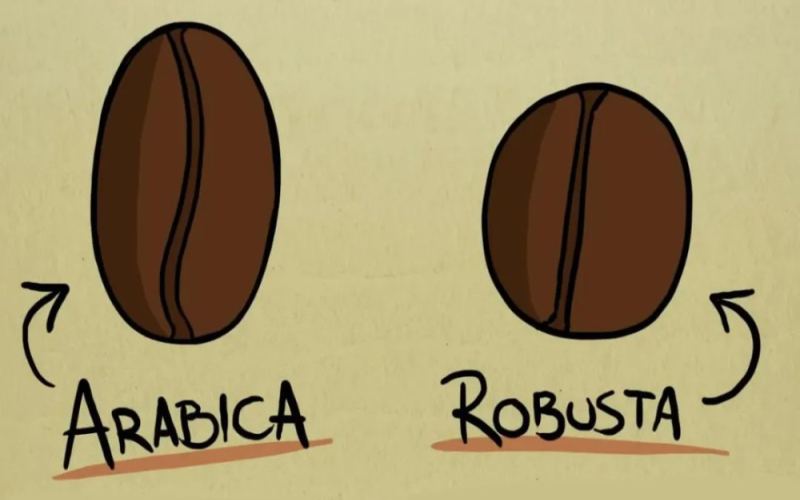
Robusta is a mainstream commercial coffee bean species alongside Arabica on the market, but it is often labeled as "bad-tasting" and "bitter." Is it truly destined to have no place among good coffees? This article systematically reviews Robusta's characteristics, advantages, and disadvantages from the perspectives of flavor formation, cultivation advantages, and specialty potential, and explains why it is indispensable in Italian espresso and commercial blends. At the same time, drawing on the formulation approach of Front Street Coffee's commercial blend coffee beans, it introduces how to use 10% washed Robusta combined with Colombian and Brazilian beans to obtain rich crema, nutty aroma, and a creamy mouthfeel, helping coffee lovers rediscover this underestimated bean. [more…]
Espresso Bean Buying Guide: The Difference Between Blends and SOE, Plus Five Espresso Beans for Home Use by Flavor
Many coffee enthusiasts, when choosing espresso beans, often assume that only blends can do the job. In fact, single-origin beans can now also be used as espresso beans, known as SOE. Faced with a dazzling array of choices on the market, how to pick a bag of espresso beans suitable for a home coffee machine with outstanding flavor has become a key step in making good coffee. This article will start from the basic concepts of espresso beans, explain the differences between blends and SOE, and sort out the three major purposes of blending—price, stability, and flavor. On this basis, combined with most people's taste preferences, it will introduce five popular espresso beans, including Front Street Classic Espresso Blend, Specialty Blend, Strawberry Candy Espresso Blend, Commercial Blend, and Dark Cocoa Blend, corresponding respectively to different needs such as rich aroma, nuts, floral and fruity notes, coffee shop style, and high cost-effectiveness. Finally, it emphasizes the decisive influence of coffee bean freshness on flavor. [more…]
The Evolution Path of Commercial Base Beans: How to Upgrade Step by Step from Chain-Style to Specialty Blends
Those who have opened a shop and look back at their base beans will find a clear evolutionary line. Most people start with chain-style dark-roast blends, and after a year or two, the beans on the bar gradually shift toward medium roasts and specialty blends. This isn't fickleness of taste—it's that as a shop grows to different stages, the questions the base beans need to answer also [more…]
Home Espresso Beans | Why Are Espresso Beans Mostly Blends? Recommended High-Quality, Cost-Effective Blends Suitable for Espresso Extraction
When it comes to espresso beans, many people may first think of blended beans. Front Street Coffee believes that this is not entirely wrong, but not entirely right either. Because nowadays espresso beans are not only made from blends, but also from single-origin coffee beans, known as SOE. For coffee beginners who want to make a delicious cup of coffee [more…]
Bean Selection Guide for Making Americano with a Home Espresso Machine: A Full Breakdown of Brewing Parameters for Blends and Single-Origin Beans
To make a crisp, easy-drinking Americano at home with a coffee machine, choosing the right beans is the first step. An Americano is essentially espresso diluted with water, so the roast level and flavor profile of the beans directly determine success or failure. This article focuses on the home setting, first explaining why espresso beans are suitable for making Americanos, then offering specific recommendations in three directions: medium-roast blends, medium-dark roast commercial blends, and medium-roast single-origin SOE, including Front Street Coffee Strawberry Candy, Front Street Coffee Commercial Blend, Front Street Coffee Huakui, and Front Street Coffee Yirgacheffe Red Cherry, along with corresponding parameters for dose, extraction time, liquid weight, and water dilution ratio, so readers can follow them directly according to their taste. [more…]

Commercial espresso specialty coffee beans recommendations | Which coffee brands' blends are suitable for espresso? What are the requirements of espresso for coffee beans?
For more specialty coffee knowledge, please follow: Front Street Coffee (Frontsteet Coffee). Espresso has a thicker texture and richer crema than drip coffee, and making high-quality espresso is inseparable from good espresso beans. Generally speaking, espresso beans are all [more…]
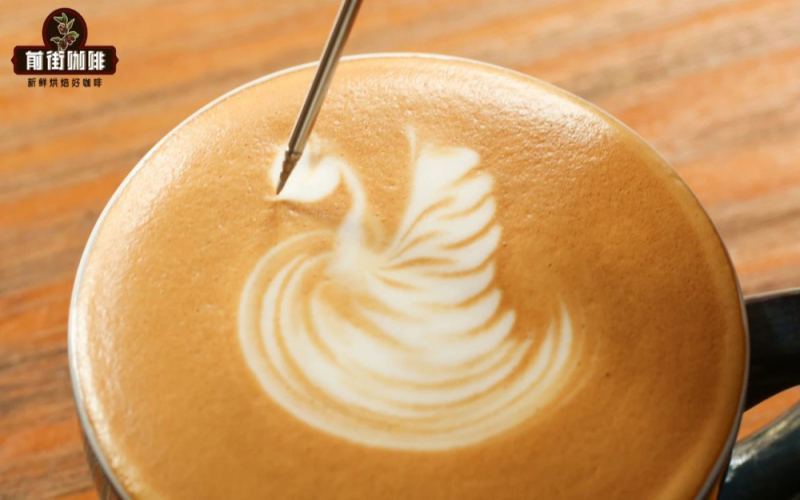
Which actually tastes better, SOE or blended beans? Explaining the definition of SOE, espresso bean choices, and price differences
When ordering at a coffee shop, more and more people find themselves torn: should they choose a regular blend or pay extra to upgrade to an SOE? Is SOE necessarily more premium and better tasting than a blend? Is it the same thing as single-origin beans for pour-over? Starting from the definitions, this article sorts out the real relationship between SOE and blended beans, analyzes the differences between the two in flavor, price, and commercial positioning, and introduces the characteristics and suitable scenarios of several Front Street Coffee espresso blends, helping you make a clearer judgment when ordering or buying. [more…]
Roasting Applications of Coffea canephora Robusta and Analysis of Starbucks' Bean Selection
In the world of coffee, Arabica and Robusta are the two most frequently mentioned varieties. Arabica dominates the specialty market with its delicate flavors, while Robusta, with its formidable vitality and rich, full-bodied taste, plays an irreplaceable role in commercial blends and instant coffee. Why is it called Congensis? What are its cultivation advantages and flavor drawbacks? And how does Front Street Coffee incorporate it into classic blends? This article will guide you through a systematic understanding of Robusta's origins, characteristics, pros and cons, and explain why commercial brands like Starbucks favor it. [more…]
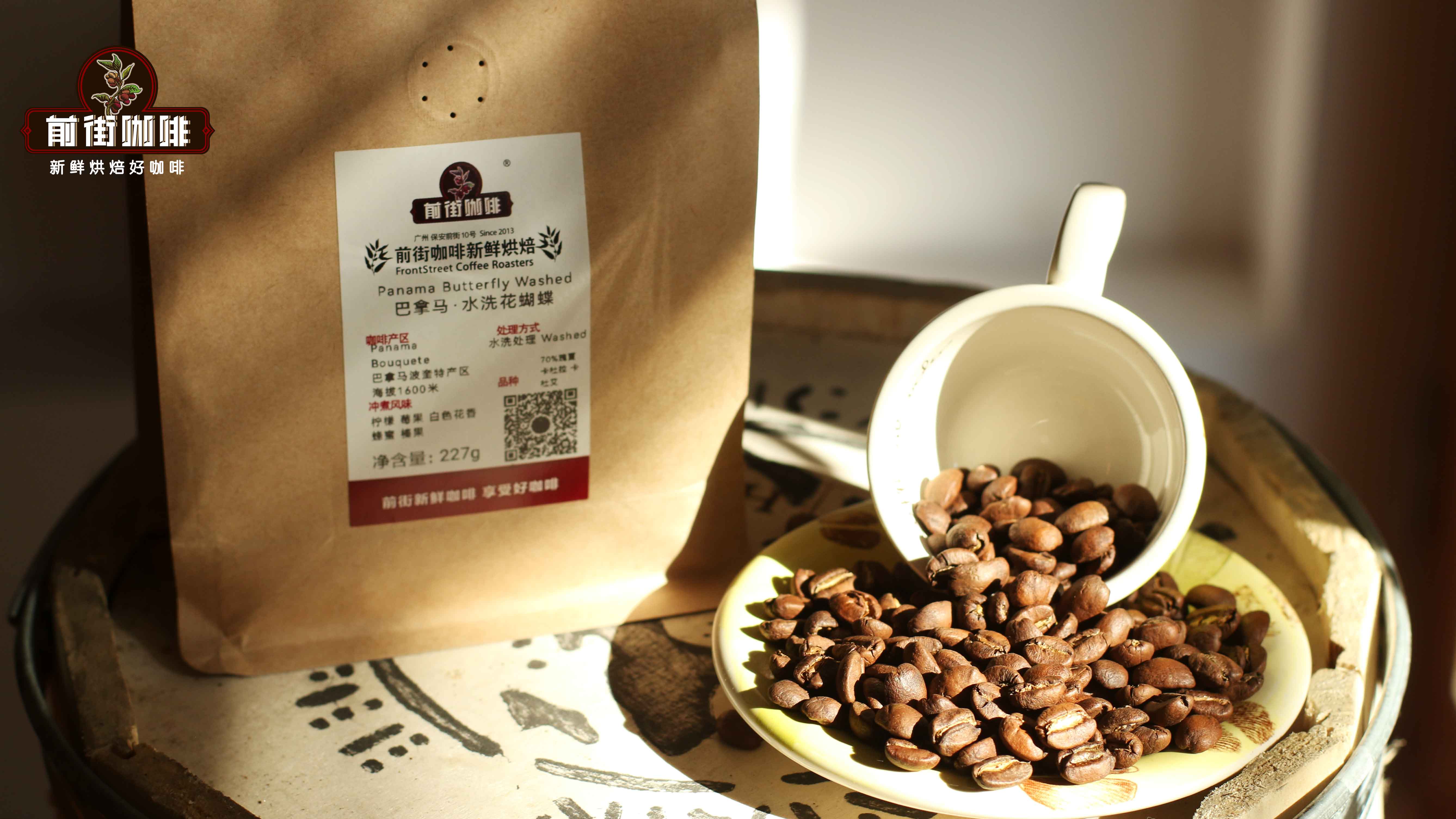
Household espresso daily beans | How should beginners choose blended coffee beans? What are some recommended delicious and affordable espresso blends for beginners?
For friends who are just starting out, since they don't yet understand much about brewing and aren't yet skilled in the process, we suggest starting with some high-value everyday coffee beans, because this way you can taste representative flavors while also being economical. So which coffee brand is suitable for beginners to start practicing with? Front [more…]
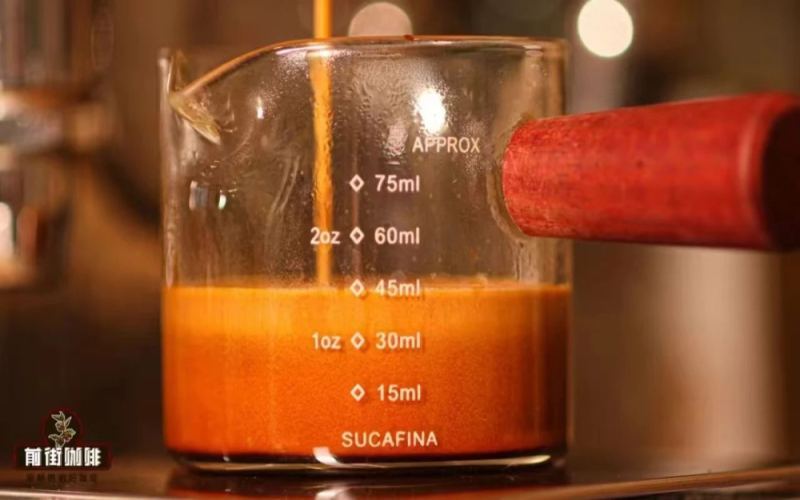
What Is an Espresso Blend Coffee Bean? 2026 Commercial Coffee Bean Buying Guide and Recommendations
Friends who frequent coffee shops may have noticed that the beans used to make espresso are mostly blends—that is, two or three coffee beans from different origins mixed together, used to produce milk coffee or Americano. So what exactly makes blended coffee beans special? Why have they become the signature choice of so many coffee shops? This article will start with the definition and purpose of espresso blends, then compile a recommended list of commercial coffee beans suitable for café operations and home use, covering multiple products such as Front Street Classic Espresso Blend, Strawberry Candy Espresso Blend, Specialty Blend, and Commercial Espresso Blend, introducing their origin composition, roast level, and flavor performance one by one, to help you find the one that suits you best. [more…]